The Timeless Way of Studio: Translations into Practice
For many architects and designers, the way we work through our projects and approach design problems have been strongly shaped by our architectural studio experiences. In a university studio environment, we studied precedents in-depth, rigorously broke down the design brief at hand and proposed solutions supported by a process following clear rationale, and amongst our peers and tutors we were encouraged to constantly participate in active conversations about the ever-changing nature of the built fabric. Excellent architectural practices have never departed from these studio traditions of being constantly engaged with the past, present and future of the built environment and seeing alternate realities that provide better outcomes for people and communities.
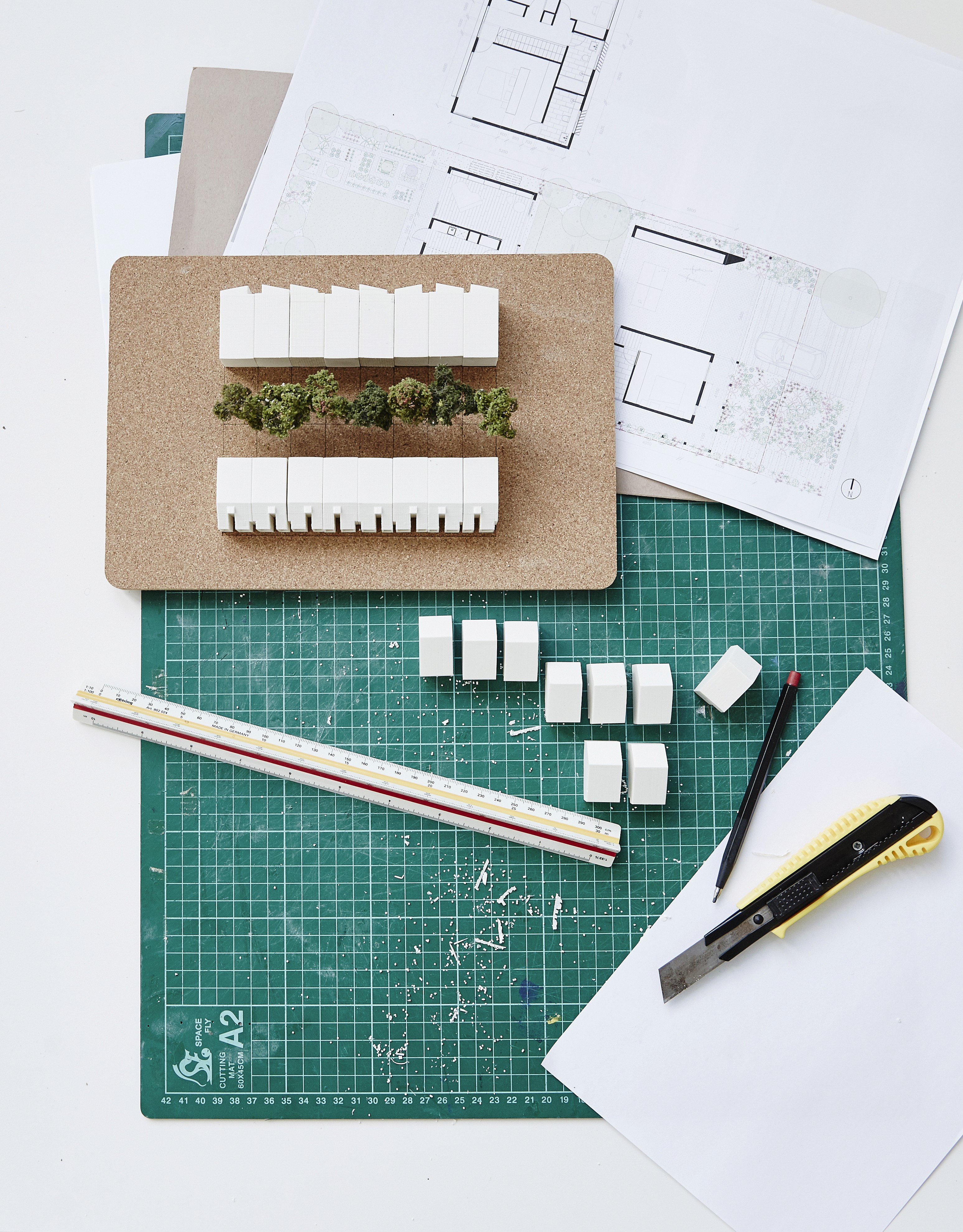
One such example of the ‘timeless’ studio experience for me was the ‘Waterloo: Housing for All’ masters design studio, which took place during the spring semester of 2023 at the University of Sydney under the direction of tutors Dr Michael Zanardo and Alex Koll. The project brief required small groups of students to design and model one apartment building within the Waterloo South Estate Masterplan such that by the conclusion of the semester we had a collective site-wide 1:200 scale physical model of the precinct and buildings. Students were also tasked to study and accurately draw the existing 1960s social housing buildings and the site context and engage in a critical discussion about the sensitive issues towards redevelopment. Whilst the main aim of the studio was for students to pick up fundamental apartment planning skills, the critical values emphasised a notion of designing sensibly for density with amenity across multiple scales of the built form and carefully considered tenure division for diverse groups of inhabitants. Whenever students and tutors gathered around sheets of drawings pinned to the wall or splayed across the desks, a collaborative endeavour took place to unravel the project’s broader social and environmental implications and tweak it into its best outcome. This studio atmosphere revealed an underlying sense of humility where everyone in the room was focused on constructing the best possible version of their projects that can be worthy of its realisation.
The experience of design studios in university can clearly foster design approaches and collaborative conduct that manifest as notably effective skills leading into practice. Although the projects encountered in professional architecture practice vary in scale and complexity, the studio rigor in seeking and demonstrating understanding of the project’s context and creating desired outcomes in an engaged and productive team environment are aligned.
Authored by Vivian Su