Minimal Intervention Design
Embracing a design approach which utilises existing assets wherever possible and minimises unnecessary intervention is becoming increasingly important for architects and can offer significant benefits for clients. This approach can help to reduce the environmental impacts of new developments and be applied across all scales, types & stages of projects. There are also significant cost and time advantages from effectively minimising the amount of construction work required which can increase the viability of projects. And perhaps most surprisingly working within the constraints of a minimal interventionist approach can be a powerful generator of innovative and unexpected design responses. Put simply, the outcomes can often end up being better than just demolishing and starting anew.
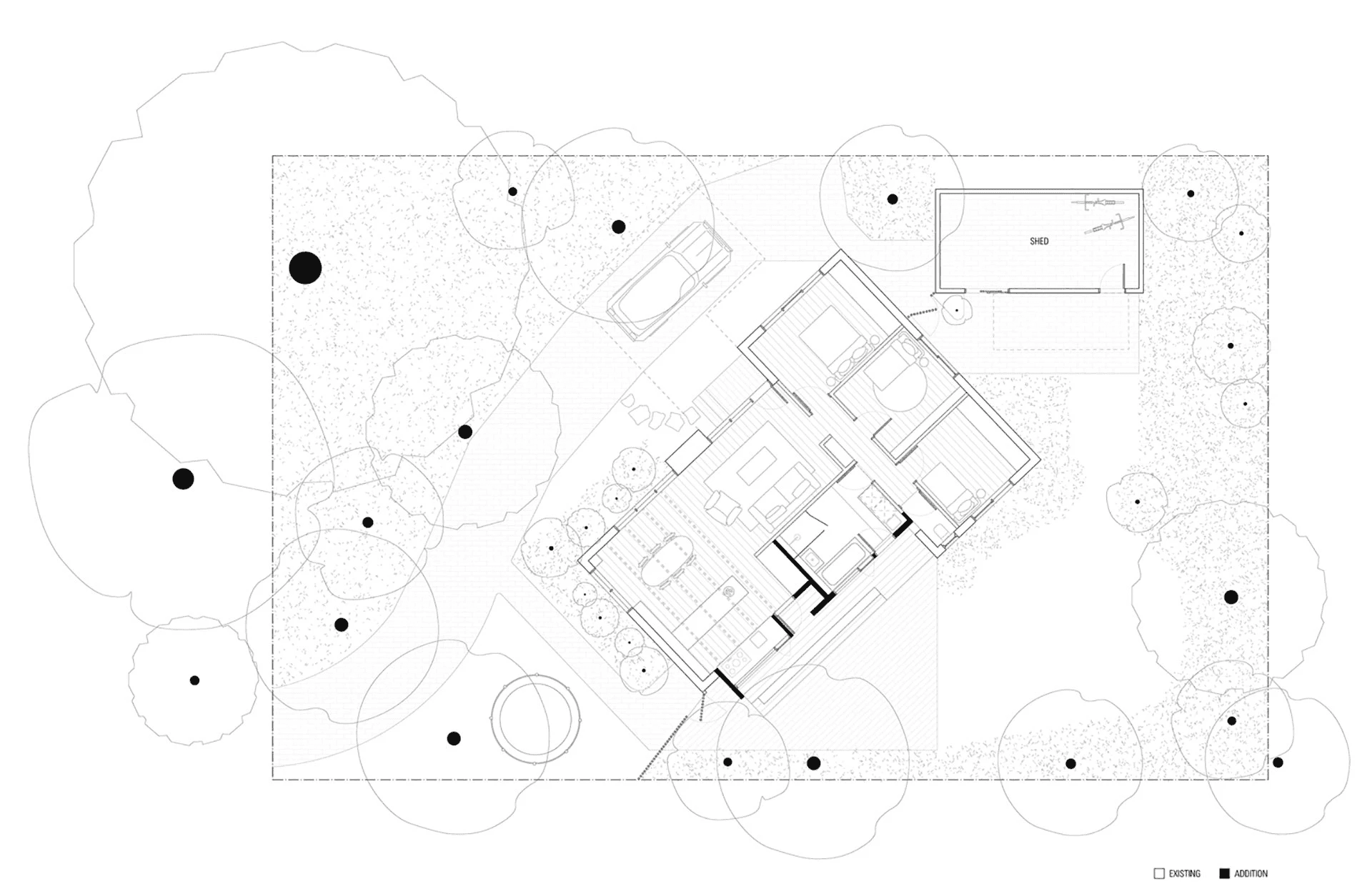
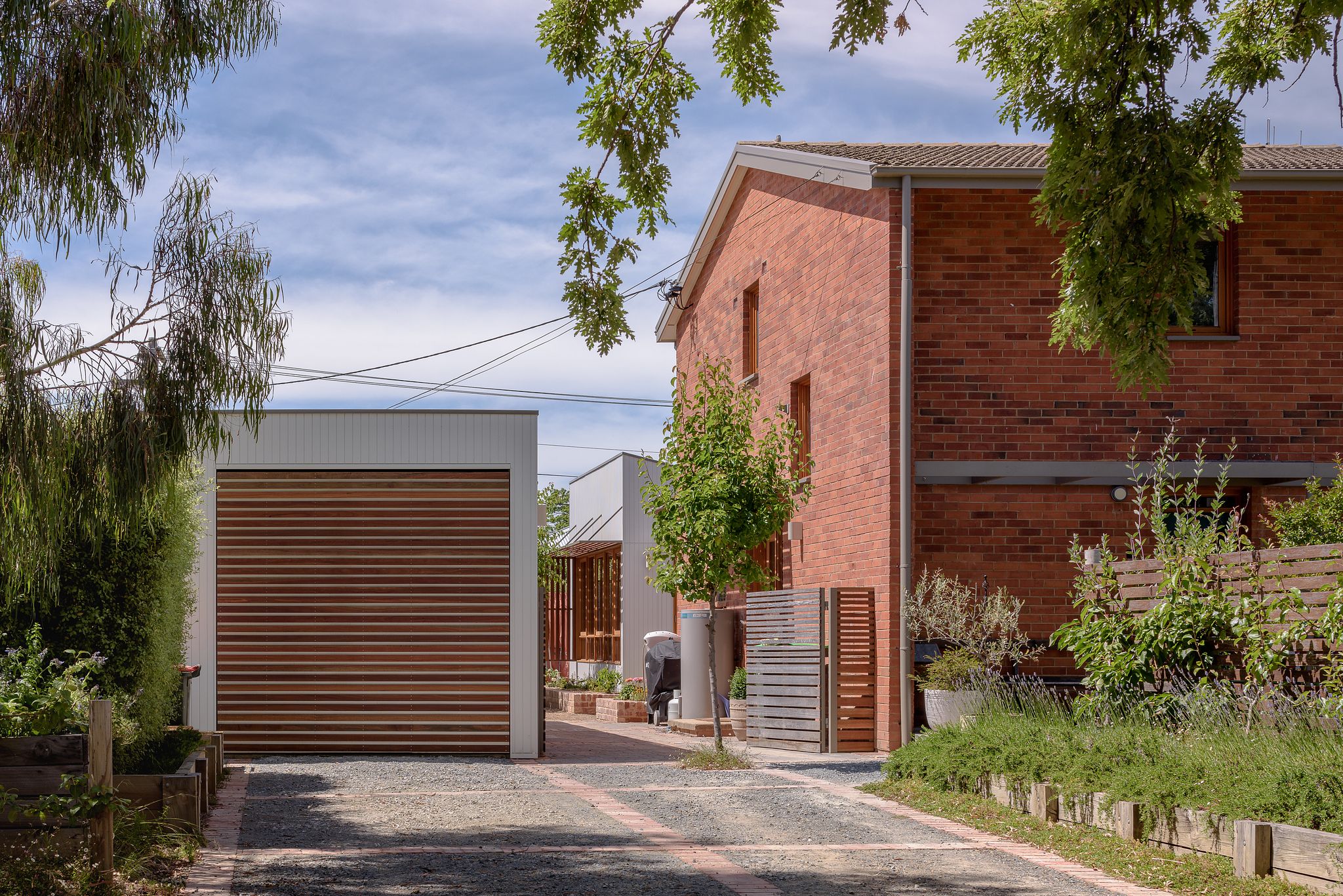
Utilising a minimal interventionist approach from a materials perspective means that existing structures and materials are viewed as a limited resource which should only be demolished and replaced where absolutely necessary. This frequently leads to adaptive re-use of existing buildings where a large portion of the existing structure is retained. With clever reconfiguration of the internal spaces and improved physical & visual connections to the external spaces, this approach can result in dramatic improvements to an existing house. As well as improving the liveability of a house and preserving resources the construction time and associated cost to build these projects is usually significantly less than building a new house. Many of our Canberra ‘ex-govvie’ projects are examples of minimal intervention having a big impact.
On larger projects, including urban design and masterplanning, the first step in a minimal interventionist approach is to carefully analyse the existing conditions and develop a sophisticated understanding of the existing streets, services & structures. Looking for opportunities to re-use or upgrade existing facilities, identifying buildings that have the capacity to be repurposed or extended, and working with the existing topography and landscape are all key strategies which help to avoid unnecessary interference and allow for existing structures and systems to be preserved. Utilising & upgrading existing streets, landscapes & buildings within a larger masterplan, allows for recognisable elements to be retained, preserving the social & collective memory of an area and often resulting in community support during periods of transition and renewal.
In certain projects a minimal interventionist design approach may not be appropriate, however it is always worth exploring in the initial design stages of a project. An open-minded approach may mean that a client’s initial brief can significantly change once the opportunities to retain and upgrade have been identified. Not only can this result in more sustainable and cost-effective projects, but also surprising and unconventional design solutions which are specifically tailored to our client’s needs.
Authored by Erin Owens